How Casino Stories Enter Everyday Life in Trảng Bom
Casino stories in Trảng Bom can shape local conversation without confirming a local venue. Learn to distinguish media, promotions and place-based claims.
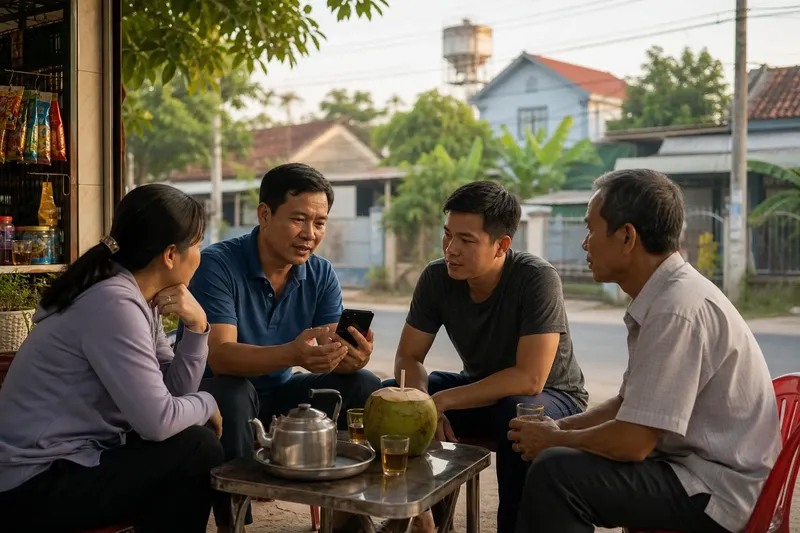
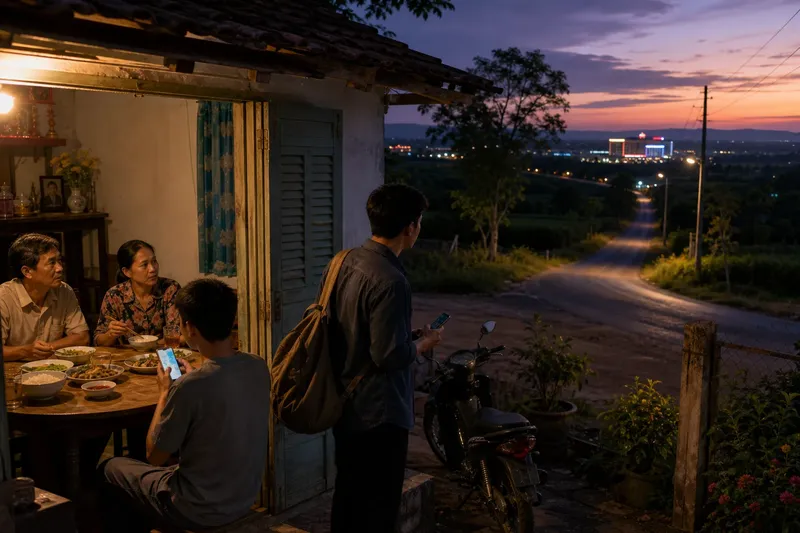
A neighbour mentions a casino video while waiting for a lift home, and someone else asks whether it was filmed nearby. That small exchange captures how casino stories in Trảng Bom can become part of local conversation without confirming that a casino venue operates there.
The distinction matters: a film, an online promotion, a travel account and a claim about a local business are different kinds of information. Treating them separately makes it easier to talk about what a story means without turning it into an unsupported claim about place.
Stories and sources
Casino imagery may arrive through television, films, social media, online games or accounts from people who have travelled or worked elsewhere. Each source frames the subject differently: a film may use a casino as a dramatic setting, while a promotion may present betting as an attractive offer.
Neither source, by itself, establishes that a venue exists in Trảng Bom. A story can still matter locally because people discuss its language, its promises or its portrayal of money and leisure.
Claims about place
When a message names a local venue, separate what it says from what it shows. A photograph without a clear location, a forwarded caption or a vague reference to “nearby” leaves important details unresolved.
Look for an identifiable source that states the location and nature of the business. If that information is absent or cannot be checked, describe the claim as unconfirmed rather than repeating it as local fact.
This is not a judgement about the people sharing a message. It is a way to keep the boundary clear between an account of casino culture and evidence about a particular place.
Local meanings
Stories about casinos can bring different concerns into conversation: entertainment, money, travel, opportunity or family strain. One person may be talking about a scene in a film; another may be worried about a relative’s spending. Naming the subject precisely helps prevent those conversations from collapsing into a broad label.
Words such as “casino”, “betting” and “winnings” can sound definitive even when the underlying message is vague. They are like labels on jars: useful clues, but not a view of the full contents.
What should readers ask?
Does a casino story prove a venue is local?
No. A story may concern fiction, an online service or a place elsewhere. A local venue needs its own identifiable, reliable evidence.
How can I check a claim about a venue?
Look for a source that clearly identifies the location and what the business offers. If the source is missing, unclear or only repeated through forwarded messages, treat the claim as unconfirmed.
How should I discuss a betting promotion?
Identify whether it is advertising, a personal account or something else before treating its claims as fact. Avoid sharing money or personal details under pressure; for legal or financial concerns, consult a qualified local professional.
How can families discuss gambling concerns?
Talk about the specific behaviour and its effects rather than assigning a label or blaming someone. If the issue is causing serious financial or emotional strain, a qualified support or health professional can offer guidance suited to the family.
A claim checked carefully
Imagine a neighbour in Trảng Bom receives a forwarded message naming a casino and describing it as nearby. The starting material is one message, with no address, source link or explanation of whether it refers to a physical venue or an online service.
The neighbour first checks the message for a named publisher or business. None appears, so they do not forward it as fact. They then ask the sender where it came from; the sender can only point to another forwarded copy, leaving the location unresolved. The resulting decision is to call the claim unconfirmed, not to infer that a venue exists in Trảng Bom.
If a later source provides a clear location and identifies the business, the neighbour can assess that information on its own terms. The useful result here is narrower: the message remains a message, not proof of a local place.
Conversation checks
These checks help distinguish a story’s source from what it claims about Trảng Bom:
- Observe whether a clip is presented as fiction or entertainment. If it is clearly a film or show, describe it as media; if someone claims it documents a local venue, ask for a separate source.
- Observe whether a travel account names a place elsewhere. If it does, keep the account tied to that location; if the location is missing, do not describe it as a Trảng Bom experience.
- Observe whether a promotion asks for payment or personal details. If it does, do not share either under pressure; if the source remains unclear, stop and seek qualified advice before making a decision.
- Observe whether a local-venue claim gives an identifiable address or source. If it does, check what the source actually identifies; if it does not, call the claim unconfirmed and avoid forwarding it as fact.
- Observe whether a conversation concerns a specific worry, such as secrecy or household strain. If it does, discuss that behaviour and its effects; if talk shifts to insults, return to the concern rather than judging the person.
- Observe whether people disagree about gambling as leisure. If they do, keep each view attached to the person expressing it; if someone generalises about all residents, bring the discussion back to the particular story or claim.
Place and public language
Casino culture in Trảng Bom is not established simply by a mention of casinos. The phrase can describe stories, images and arguments that circulate in local life, while the existence and location of a particular venue remain separate questions.
That distinction gives neighbours a practical way to speak carefully: name the source, say what is known, and leave unresolved claims unresolved. A conversation can then explore what casino stories suggest about money, leisure and place without turning a rumour into a local fact.