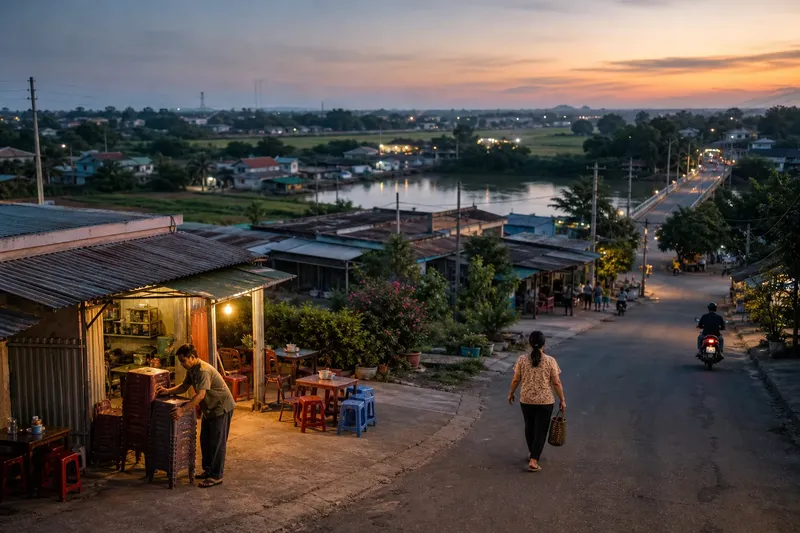
How Casino Stories Meet Rural Life in Trảng Bom
See how casino stories fit around work, family messages and travel in Trảng Bom, while keeping screen-side talk distinct from the texture of local life.
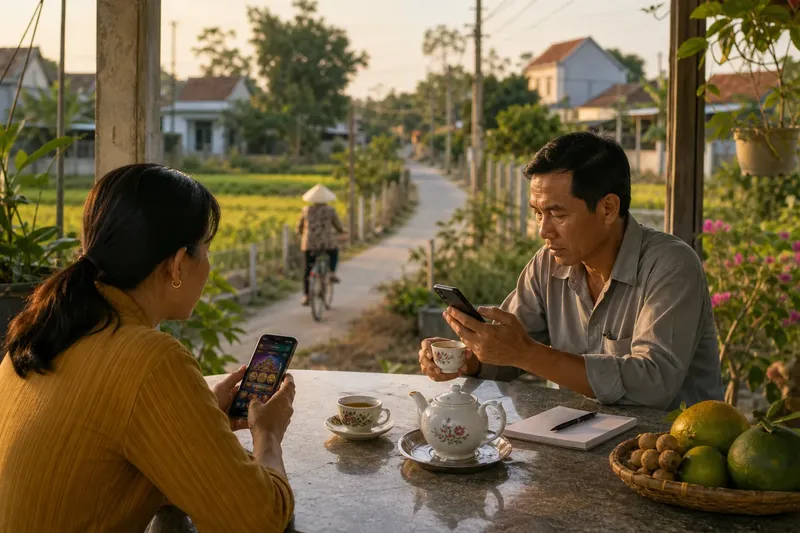
A phone buzzes beside a cup of tea in Trảng Bom. One person checks a work message; another scrolls past a casino advert before replying to family. Casino stories meet rural life here not as a single local spectacle, but as one more kind of screen-side talk woven into ordinary routines.
That small scene is easy to misread. An advert, a tale told after a trip, and an account of someone’s own experience carry different meanings, and none alone describes a whole place.
Everyday interruptions
Work, household tasks, visits and journeys shape the day in Trảng Bom. A casino message may appear during a pause between those things, alongside notices about a neighbour, a family photograph or a ride someone needs.
Its presence on a phone says something about what reached that screen, not how the whole community spends its time. The screen is like a shop window: it frames a display, while the life around it carries on beyond view.
Stories in circulation
Casino language travels through adverts, social media posts and conversation. Words such as “luck”, “chance” and “easy money” can make gambling sound light or financially promising; calling a wager an “investment” changes its tone, not its uncertainty.
Travel stories have their own place in local conversation. Someone describing entertainment encountered elsewhere is speaking about that experience, not necessarily about a venue or a pattern of activity in Trảng Bom.
It helps to keep three kinds of talk distinct:
- Promotion: If a message uses branding, referral links or invitations to play, describe it as promotion; if those signs are absent or unclear, call it a post without guessing who made it.
- Travel account: If a speaker names a trip or another place, keep that setting in the description; if no location is given, do not attach the story to Trảng Bom.
- Personal account: If someone speaks from their own experience and agrees to be identified, attribute the account; if the source is unclear or permission is absent, keep identifying details out.
- Reported result: If a post claims a win but gives no supporting context, call it a reported win; if the outcome cannot be confirmed, do not present it as established fact.
- Missing context: If a story mentions winnings but not costs or losses, say those details are missing; if they are unavailable, do not supply them by guesswork.
- Local claim: If a source clearly identifies a local event and provides a basis for the claim, describe only what that source supports; if it does not, avoid turning a circulating story into a claim about local life.
Reading a screen story
Say you receive a message in a neighbourhood group claiming that a person from Trảng Bom won money at a casino. It contains a cropped image but no date, source or location. The observable facts are limited to a circulating message and an image; the claim does not establish where the event happened or who was involved.
If you describe it, write that the message claims someone won, and note that its source and location are unclear. Do not call it a local win or evidence of a local trend. That wording keeps the story in proportion without dismissing the possibility that the sender is sharing something they believe to be true.
Conversation beyond the screen
Casino stories can brush against family chat, a break from work or talk about travel, then give way to the next practical matter. Their presence does not tell us whether people welcome the subject, avoid it or simply scroll past.
In public discussion, the setting matters as much as the words. A post about an advert is not a portrait of village life, and a traveller’s account should not be made to stand for people who never took that journey.
Questions about local context?
Does an advert show local activity?
No. It shows that promotional material reached an audience, but it does not establish who gambled or where. Keep the description focused on the advert unless a reliable source supports a more specific account.
How should a travel story be described?
Name the place and circumstances the speaker gives, without transferring them to Trảng Bom. If those details are missing, say so rather than filling the gaps.
Can a reported win be shared?
It can be described as a claim, with the source and limits made clear. Leave out personal details when permission is absent, and do not imply that one reported result is typical.
What wording keeps a local claim fair?
Use wording such as “a post circulating online claims that someone won” when that is all the material supports. Avoid saying that local people are earning money from casinos unless reliable, relevant evidence supports that broader statement.
Words that fit the place
For a community notice or article, describe what can actually be seen: “A post circulating online promotes casino play” is more precise than “casinos are changing life in Trảng Bom”. The first reports on a message; the second makes a wider claim about local change.
Casino stories meet rural life in Trảng Bom through ordinary moments as well as public talk, but a screen cannot stand in for the whole place. When sharing one, keep its setting, source and limits attached; that simple care leaves room for local routines to be more than the story that happened to appear on a phone.