What Casino Development Means for Trảng Bom’s Workers, Neighbours and Businesses
Casino development in Trảng Bom can mean a workplace, a land-use proposal or a distant leisure story. Separate those claims before discussing local effects.
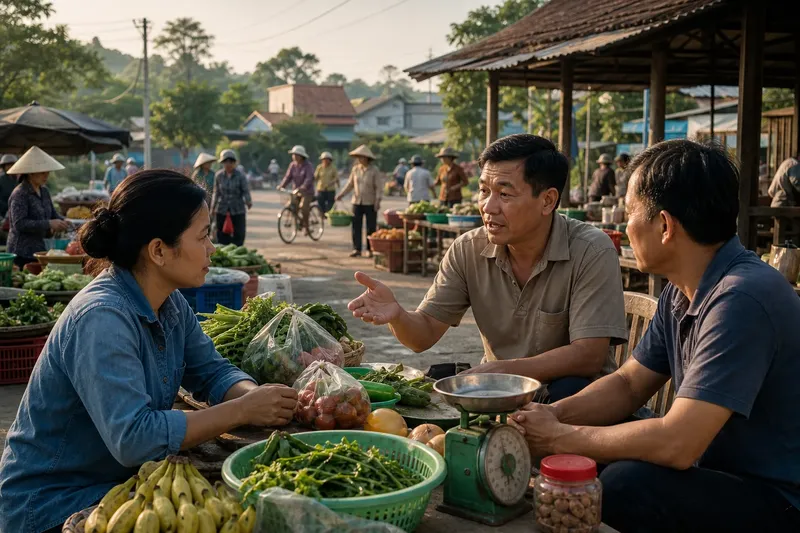
At a market stall in Trảng Bom, someone mentions casino development and asks whether it might bring work nearby. The phrase does not answer the question: it could refer to a venue, a proposal for a site, or a story about leisure elsewhere.
Casino development in Trảng Bom
For workers, neighbours and local businesses, each meaning raises a different question. A workplace claim concerns jobs and access to them; a land-use claim concerns a particular place; a leisure story may have no local connection at all.
“Development” can be like a shopping bag with several items inside: the label tells you little until you look at what it contains. Ask what activity, place and change the speaker means before treating the phrase as a single local event.
Three kinds of claim
Separate what is happening, what is proposed and what someone expects. The distinction helps keep a conversation useful without assuming that a rumour is a decision or that a prediction is an outcome.
- Present activity: If a speaker says a venue is operating, check whether they name a place and describe a current activity; if both are clear, discuss that stated activity, but if either is missing, ask for it before describing the venue as local.
- Proposed use: If someone mentions a planned site, check whether they identify the location and the proposal’s status; if these are stated, describe it as a proposal, but if not, call the plan unspecified and ask what is known.
- Expected jobs: If a claim predicts employment, check whether it names types of work and how residents might apply; if it does, discuss those terms, but if not, describe jobs as an expectation and ask what access is intended.
- Leisure story: If the account concerns gambling or entertainment, check whether it connects that activity to Trảng Bom; if it does, ask what the connection is, but if it does not, keep it separate from claims about local work or land.
- Land-use story: If a building or site is mentioned, check whether the account describes a current use or a possible future use; if it says, discuss that status, but if it does not, leave the status open and ask for clarification.
- Community benefit: If someone says a project will benefit the community, check which people and what change they mean; if they specify both, discuss that particular claim, but if either is absent, describe the benefit as broad and ask who is expected to experience it.
Say you encounter an invented notice in Trảng Bom that calls a casino-related leisure site “proposed” and says it may create work. The notice gives no location, job types or hiring arrangements. You record the three claims separately: a proposal is mentioned, jobs are expected, and the location and access to work remain unanswered; you therefore do not describe an operating venue or a confirmed local workplace.
Which words clarify the claim?
Does “development” mean a casino is planned?
No. The word alone does not establish a plan; ask whether the speaker means an idea, a formal proposal or an activity already taking place.
Does a casino story mean local jobs?
No. Ask what kinds of jobs are being discussed and whether the account explains how local residents could apply. If those details are absent, employment remains an expectation rather than a stated arrangement.
What does “benefit the community” mean?
Ask which people and what change the speaker has in mind. The phrase could refer to workers, nearby households or local businesses, and those groups may have different concerns.
What if residents are missing from the account?
Note whose views are included and whose are not, without guessing what absent residents think. If the discussion calls for a broader picture, seek additional local perspectives rather than treating one account as universal.
Keep local effects distinct
A worker may ask about hiring, a nearby household may ask about a familiar route, and a shopkeeper may ask whether a proposed activity concerns their area. Those are different questions, not evidence that one group’s concern speaks for everyone.
When you hear casino development in Trảng Bom, ask for the named activity, the place and the status of the claim. Then ask who is said to be affected and what change is expected. Those details let a conversation distinguish a local proposal from a distant leisure story—and give workers, neighbours and businesses room to discuss their own concerns.